Top Benefits of Using an Electronic Health Record System
Wiki Article
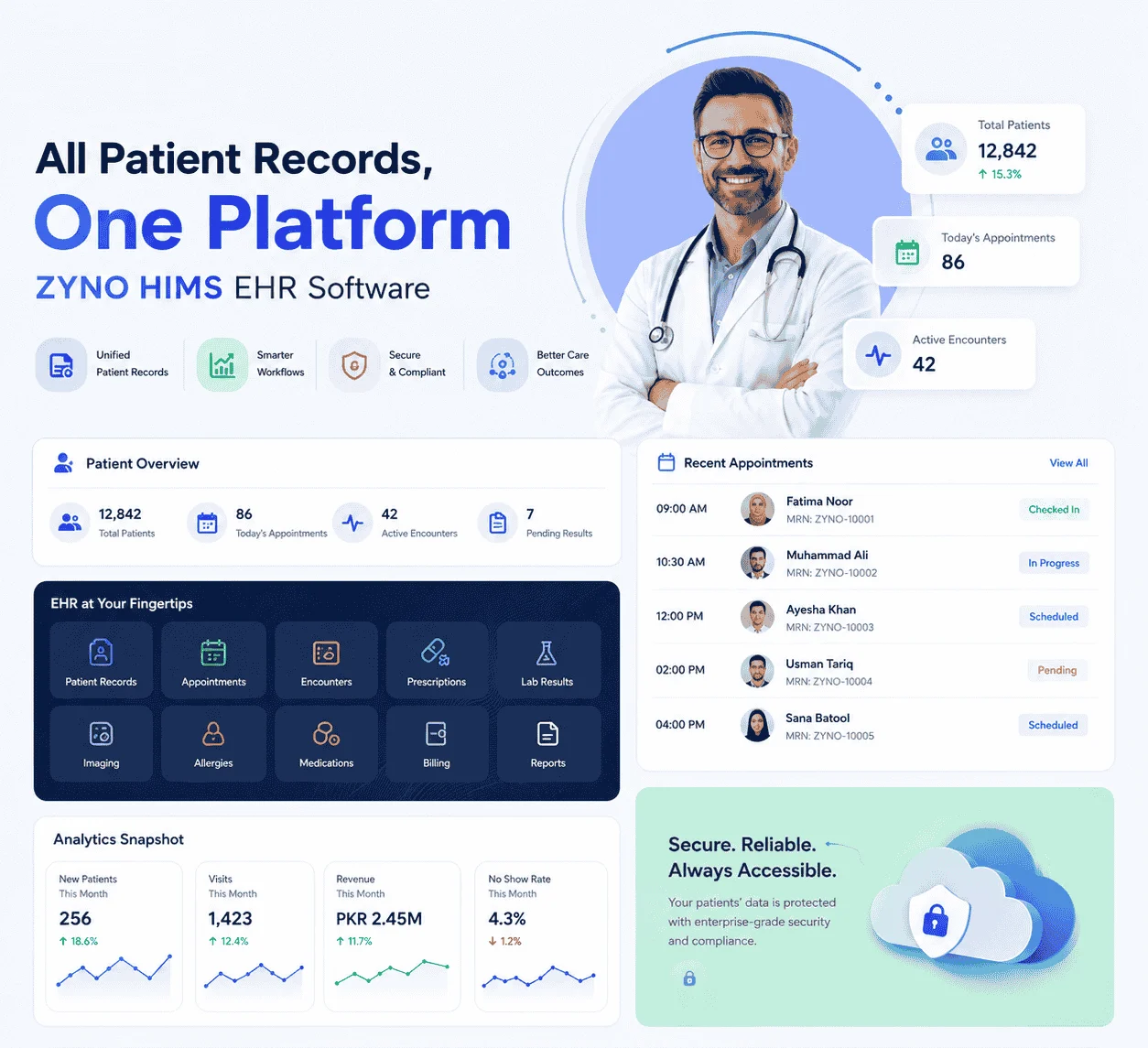
The healthcare industry is rapidly embracing digital transformation to improve patient care, streamline operations, and enhance overall efficiency. One of the most impactful technologies driving this change is the Electronic Health Record (EHR) system. Healthcare providers, clinics, and hospitals are increasingly adopting EHR software to manage patient information, reduce paperwork, and deliver better healthcare services.
An Electronic Health Record is a digital version of a patient's medical history that can be securely accessed and updated by authorized healthcare professionals. When integrated with a hospital management system, clinic management software, and other healthcare applications, it becomes a powerful tool for modern healthcare organizations.
What Is an Electronic Health Record System?
An Electronic Health Record (EHR) system is designed to store patient data digitally, including medical history, diagnoses, medications, treatment plans, laboratory reports, and appointment records. Unlike traditional paper records, Electronic Medical Records (EMR Software) and EHR platforms provide real-time access to patient information, helping healthcare providers make informed decisions quickly.
Today, many healthcare organizations integrate EHRs with a hospital information system, hospital information management system, and health management information system to create a unified healthcare ecosystem.
Key Benefits of Using an Electronic Health Record System
1. Improved Patient Care and Safety
One of the biggest advantages of an Electronic Health Record is enhanced patient care. Doctors can access complete patient histories instantly, reducing the risk of medical errors and duplicate treatments.
With integrated patient management software, healthcare professionals can review previous diagnoses, allergies, medications, and test results before making treatment decisions. This improves patient safety and ensures more accurate care.
2. Streamlined Hospital and Clinic Operations
Managing patient records manually can be time-consuming and prone to errors. By integrating EHRs with a hospital management system or hospital management software, healthcare facilities can automate administrative tasks and improve workflow efficiency.
Whether it's patient registration, billing, appointment scheduling, or discharge management, digital systems significantly reduce paperwork and administrative burden.
3. Faster Billing and Revenue Management
Billing is a critical part of healthcare operations. Integrating EHRs with clinic billing software and Clinic Billing Software solutions helps automate invoicing, insurance claims, and payment tracking.
Modern clinic billing software minimizes billing errors, accelerates reimbursements, and improves revenue cycle management. Healthcare providers can focus more on patient care rather than administrative tasks.
4. Better Appointment Scheduling
An EHR integrated with Hospital Appointment Scheduling Software simplifies appointment management for both patients and healthcare providers.
Patients can book appointments online, receive automated reminders, and reduce missed visits. Healthcare staff can efficiently manage schedules, avoid conflicts, and optimize resource utilization through advanced Hospital Appointment Scheduling Software solutions.
5. Enhanced Data Accessibility
With cloud-based hospital software, healthcare professionals can securely access patient information from multiple locations. This accessibility is particularly valuable for multi-specialty hospitals and healthcare networks.
Doctors, nurses, pharmacists, and laboratory staff can collaborate effectively using centralized data stored within the hospital information system and EHR platform.
6. Integration with Laboratory Systems
Laboratory diagnostics play a vital role in healthcare. EHR systems integrated with LIMS software and Laboratory Information Management System platforms allow seamless sharing of test results.
Instead of manually entering laboratory reports, healthcare providers can access diagnostic results directly within the patient's record. This reduces errors and speeds up treatment decisions.
7. Efficient Pharmacy Management
Medication management becomes more accurate when EHR systems are connected with a pharmacy management system or pharmacy management software.
Doctors can electronically prescribe medications, pharmacists can verify prescriptions instantly, and patients receive medications faster. This integration reduces prescription errors and improves medication safety.
8. Improved Patient Management
A comprehensive patient management software solution integrated with EHRs helps healthcare providers manage the entire patient journey.
From registration and consultation to treatment and follow-up care, patient information remains organized and easily accessible. This improves patient engagement and enhances the overall healthcare experience.
9. Better Decision-Making Through Data Analytics
Healthcare organizations generate large volumes of data daily. EHR systems provide valuable insights through analytics and reporting tools.
Combined with a health management information system, hospitals can monitor patient outcomes, identify trends, optimize resource allocation, and improve operational performance.
Data-driven decision-making ultimately leads to better healthcare delivery and improved patient satisfaction.
10. Supports Custom Healthcare Solutions
Every healthcare organization has unique requirements. Many providers invest in custom healthcare software development services to create tailored EHR solutions that match their workflows.
Customized integrations with hospital management, billing, laboratory, pharmacy, and patient engagement systems help organizations maximize efficiency while meeting regulatory requirements.
11. Improved Regulatory Compliance and Security
Healthcare facilities must comply with strict regulations regarding patient data protection. Modern EHR systems offer advanced security features such as encryption, role-based access, audit trails, and secure backups.
By implementing secure hospital management software and EHR solutions, healthcare providers can protect sensitive patient information while maintaining compliance with healthcare regulations.
12. Cost Savings and Operational Efficiency
Digital records significantly reduce paper storage, manual data entry, and administrative overhead. Integrated Clinic Management Software, hospital software, and EHR platforms automate repetitive tasks and improve productivity.
Over time, healthcare organizations experience substantial cost savings while delivering higher-quality care to patients.
The Future of Healthcare Is Digital
The healthcare industry is moving toward fully connected digital ecosystems where EHRs serve as the central hub for patient information. By integrating EMR Software, Clinic Management Software, patient management software, LIMS software, pharmacy management software, and hospital management system solutions, healthcare organizations can improve efficiency, enhance patient outcomes, and stay competitive in an increasingly digital world.
Investing in a modern Electronic Health Record system is no longer an option—it is becoming a necessity for healthcare providers seeking long-term growth and operational excellence.
Frequently Asked Questions (FAQs)
1. What is an Electronic Health Record (EHR) system?
An Electronic Health Record (EHR) system is a digital platform that stores and manages patient medical information, including diagnoses, treatments, medications, and laboratory reports.
2. How is EHR different from EMR Software?
EMR Software primarily stores patient records within a single healthcare facility, while an EHR allows information sharing across multiple healthcare providers and systems.
3. Can EHR software integrate with clinic billing software?
Yes, modern EHR platforms can seamlessly integrate with clinic billing software to automate invoicing, insurance claims, and payment management.
4. Why is EHR important for hospitals?
EHR systems improve patient care, reduce medical errors, streamline workflows, enhance communication, and support data-driven decision-making within healthcare organizations.
5. Can EHR systems work with Laboratory Information Management Systems?
Absolutely. EHR systems can integrate with a Laboratory Information Management System (LIMS) to provide real-time access to laboratory reports and diagnostic data.
6. How does EHR support pharmacy management?
EHR systems integrate with pharmacy management systems to enable electronic prescriptions, medication tracking, and improved medication safety.
7. Is an Electronic Health Record system suitable for small clinics?
Yes. Small clinics can benefit from EHR systems by improving patient management, reducing paperwork, enhancing billing accuracy, and streamlining daily operations.
8. What role does custom healthcare software development play in EHR implementation?
Custom healthcare software development services help healthcare organizations create tailored EHR solutions that align with their unique workflows, compliance requirements, and business objectives.
Report this wiki page